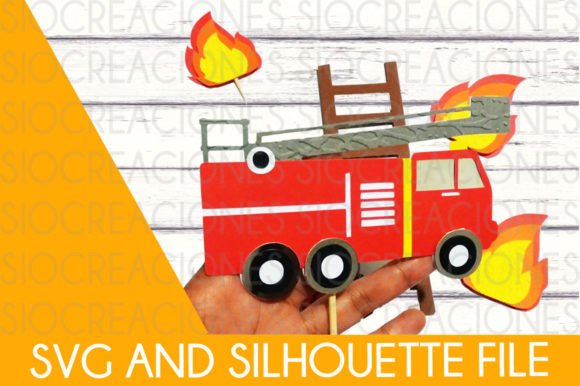
Integrating Fire Truck and Fire SVG Assets into Your Creative Workflow
In the realm of digital crafting and small-scale manufacturing, the efficiency of your production pipeline often hinges on the quality and compatibility of your source assets. For creators working with vinyl cutters, heat presses, or laser engravers, the difference between a profitable batch and a wasted afternoon frequently comes down to file integrity. The Fire Truck, Fire SVG collection represents more than just a seasonal graphic; it is a functional component designed to slot seamlessly into established creative workflows. Whether you are preparing for Father's Day, organizing a community fundraiser, or fulfilling custom orders for a local fire station, understanding how to integrate these layered vectors into your process is essential for maintaining consistency and speed.
This asset type serves as a foundational element in the pre-production phase. Before a blade ever touches material or a laser begins its path, the digital file must be vetted, organized, and prepared within your design software. The utility of a well-constructed Layered Fire Truck design lies in its adaptability. Unlike flat, single-layer images that limit customization, layered files allow for granular control over individual elements. This means you can isolate the truck body, the ladder, the flames, or specific text components to create unique variations without redrawing the entire image from scratch. For professionals managing multiple client requests, this modularity significantly reduces turnaround time.
Pre-Production Planning and File Compatibility
The first step in utilizing any digital asset is ensuring compatibility with your existing hardware and software ecosystem. In the cutting industry, fragmentation between platforms like Cricut Design Space and Silhouette Studio can often create bottlenecks. A robust workflow requires files that transcend these proprietary boundaries. The Fire Truck, Fire SVG package addresses this by providing formats specifically tested for both environments. When you purchase this design, you receive a compressed .zip file containing an SVG for general vector use and a Studio3 file optimized for Silhouette Cameo users.
Upon downloading, the immediate task is decompression. Many users overlook the necessity of having a reliable extraction tool installed on their workstation. Whether using built-in OS utilities or third-party software like 7-Zip or WinRAR, the ability to quickly uncompress the archive is the gateway to accessing the usable assets. Once extracted, the files should be moved to a dedicated project folder. Organizing assets by theme, date, or client at this stage prevents version control issues later. For instance, creating a sub-folder labeled "Fire_Truck_Campaign_Q3" allows you to store the source SVG alongside your exported cut files and material swatches, keeping the project self-contained.
Compatibility testing is a critical quality control measure. Even if a file is marketed as "tested," importing it into your specific version of Design Space or Studio3 is a necessary verification step. Open the Layered Fire Truck file and inspect the grouping structure. Are the layers logically named? Is the scaling locked to maintain aspect ratio? In a professional setting, you cannot afford to discover broken groups or misaligned nodes after the material has been loaded onto the mat. A clean import confirms that the geometry is sound, allowing you to proceed to the customization phase with confidence.
Customization and Design Execution
Once the file is verified, the real work begins. The layered nature of the Fire Truck, Fire SVG facilitates a high degree of personalization, which is crucial for standing out in a saturated market. Consider a scenario where you are producing gifts for a fire department retirement party. By ungrouping the layers, you can replace generic placeholders with the retiree's name, years of service, or badge number. Because the design cuts cleanly in both major software platforms, you can experiment with different color combinations for the flames or the truck body without worrying about registration errors during the weeding or assembly process.
For educators or workshop leaders, these files serve as excellent teaching tools. They demonstrate the principles of vector manipulation, layer management, and material selection. When guiding students or junior designers, you can use the Fire SVG elements to explain how complex images are constructed from simple shapes. This educational application extends the value of the asset beyond mere production; it becomes a resource for skill development. Furthermore, the clarity of the cut paths makes it ideal for beginners who might struggle with intricate details, ensuring a successful outcome even for those new to the craft.
Material selection is another variable in this equation. The precision of the Fire Truck design allows it to be rendered in various mediums, from standard adhesive vinyl for decals to heat transfer vinyl (HTV) for apparel. When working with HTV, the layered approach enables multi-color designs without the need for complex masking techniques. You can cut each color layer separately and stack them during the pressing phase. This method not only enhances the visual depth of the final product but also streamlines the weeding process, as each color section is distinct and manageable.
Streamlining Production for Events and Sales
Efficiency scales when you move from single-item creation to batch production. Holidays like Father's Day or local community events often demand high volumes of similar yet unique items. Here, the Layered Fire Truck acts as a template. You can duplicate the master file multiple times within your canvas, adjusting only the variable data (such as names or dates) for each iteration. This "mail merge" approach to design maximizes machine uptime. While the cutter is processing one sheet, you can be preparing the next, ensuring a continuous flow of production.
Inventory management also benefits from using standardized, high-quality assets. By relying on a proven design like the Fire Truck, Fire SVG, you reduce the risk of material waste caused by failed cuts or poor alignment. Consistency in your output builds trust with your customers. If you are selling these crafts online or at local markets, buyers expect a certain level of finish. A design that "cuts like a dream" minimizes the need for post-production cleanup, such as picking out tiny fragments or fixing jagged edges. This reduction in finishing time directly impacts your profit margins, allowing you to price competitively while maintaining healthy returns.
Moreover, the versatility of the design supports diverse marketing strategies. The same base file can be adapted for stickers, t-shirts, mugs (using sublimation blanks with printed versions of the SVG), or even wooden signs. This cross-platform applicability means you can expand your product line without investing in new design resources. You simply adjust the scale and material settings in your software. For entrepreneurs looking to diversify their offerings, having a library of such flexible assets is a strategic advantage.
Long-Term Asset Management and Future Use
Investing in digital assets is a long-term strategy. The Fire Truck, Fire SVG is not a one-time use item; it is a recurring resource. As trends evolve, you may find new applications for the design. Perhaps next year's theme involves a specific color palette, or a client requests a vintage-style interpretation. Because the file is vector-based, it is resolution-independent. You can scale it up for a large banner or down for a keychain without losing fidelity. This scalability ensures that the asset remains relevant and useful across different projects and years.
To maximize the lifespan of these files, regular backups are essential. Store your original .zip downloads and your customized project files in a cloud-synced drive or an external hard drive. This protects your workflow against data loss and ensures that you can revisit successful designs months or years later. Additionally, keeping a log of which materials and machine settings yielded the best results for this specific design can save time in future runs. Documenting that "Red Oracle 651 vinyl at speed 4 and pressure 3" worked perfectly for the truck body creates a repeatable standard for your operations.
Finally, exploring the broader catalog from which this design originates can further enhance your workflow. Often, designers create cohesive collections that share stylistic traits. By integrating complementary assets from the same store, you can create themed bundles that appeal to specific niches. If you found value in the Fire Truck design, exploring related emergency services or vehicle-themed graphics can help you build a comprehensive portfolio. This holistic approach to asset acquisition fosters a more unified brand identity and simplifies the search process for future projects.
In conclusion, the integration of high-quality, layered SVGs like the Fire Truck, Fire SVG into your creative process is a practical decision that yields tangible benefits. From the initial download and decompression to the final cut and assembly, every stage of the workflow is optimized for ease and precision. By leveraging the compatibility with both Cricut and Silhouette platforms, utilizing the layered structure for customization, and maintaining organized digital archives, you position yourself for sustained productivity. Whether you are a hobbyist crafting a heartfelt Father's Day gift or a business owner fulfilling bulk orders, these assets provide the reliability and flexibility needed to execute your vision effectively.