Strategic Impact of the Darling Dress Greeting Card in Personal Branding and Client Relations
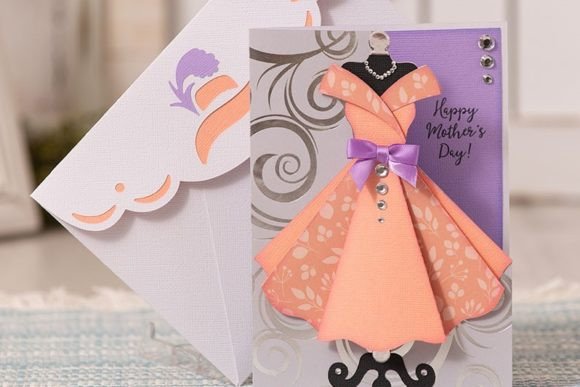
In an era dominated by digital automation and ephemeral messaging, the tangible artifact retains a unique power to influence perception and deepen relationships. The Darling Dress Greeting Card, a quality paper craft project designed by Dreaming Tree, represents more than a simple hobbyist endeavor; it is a strategic tool for communication. When deployed with intention, this 3D dress-shaped greeting card serves as a physical manifestation of thoughtfulness, capable of elevating personal branding, enhancing customer experience, and reinforcing professional networks. For entrepreneurs, marketers, and creators, understanding how to leverage such handmade assets can differentiate their outreach from the noise of standard corporate correspondence.
Elevating Communication Through Tangible Design
The core value proposition of the Darling Dress Greeting Card lies in its ability to disrupt expected patterns of communication. In professional settings, greetings are often reduced to automated emails or generic e-cards. By introducing a layered, elegant silhouette crafted from high-quality cardstock, you signal a commitment to detail that digital formats cannot replicate. This project, available in SVG format for precision cutting, allows for customization that aligns with specific branding goals or recipient preferences.
Consider the psychological impact of receiving a hand-assembled item versus a printed letter. The former implies an investment of time and cognitive effort, which recipients subconsciously translate into higher value. Whether used for a bridal shower invitation, a birthday acknowledgment for a key client, or a "just because" gesture to a mentor, the card acts as a conversation starter. It positions the sender not just as a service provider or acquaintance, but as a creator who values aesthetics and personal connection. This subtle shift in positioning can yield long-term dividends in trust and loyalty.
Operational Efficiency in Custom Craft Projects
For small business owners and freelancers looking to integrate handmade elements into their operations without sacrificing productivity, the technical specifications of this project are crucial. The Darling Dress Greeting Card is designed with efficiency in mind, compatible with all SVG-ready cutting machines and optimized for standard 12×12 cutting mats. This compatibility ensures that production can be scaled. You are not limited to making one card; with the right workflow, you can produce a batch of high-quality greetings during a dedicated planning session.
The inclusion of a PDF legend alongside the SVG files is a critical feature for operational consistency. It allows makers to quickly identify pieces and select paper colors that match specific campaigns or brand palettes. For instance, a real estate agent might choose neutral greys and silver foils for a closing gift, while a lifestyle blogger might opt for vibrant lavenders and peaches for a community giveaway. The ability to resize the project offers further flexibility, allowing you to adapt the dimensions to fit various envelope sizes or display contexts, though one must remain mindful that resizing may alter the structural integrity if pushed too far beyond the original 7″ H x 5″ W design.
Strategic Supply Chain and Material Selection
Executing this project successfully requires a deliberate approach to material sourcing, which parallels broader supply chain decisions in business. The recommended supply list includes specific weights and finishes, such as 12x12 white, lavender, and peach cardstock, alongside patterned papers from reputable brands like Joann and DCWV Fall Basics. The inclusion of silver foil paper adds a premium texture that catches the light, enhancing the perceived value of the final product.
When planning your production run, consider the following material strategy:
- Base Structure: Use the 12x12 white cardstock for internal supports to ensure durability without adding unnecessary bulk.
- Aesthetic Layers: Select the lavender and peach cardstocks to create depth and contrast, ensuring the 3D effect is pronounced.
- Accent Details: Utilize the black cardstock and silver foil paper sparingly to define edges and add sophistication, preventing the design from appearing cluttered.
- Pattern Integration: Incorporate the grey and peach pattern papers to introduce visual interest that breaks up solid colors, mimicking the complexity of fabric textures.
Making informed decisions about these materials prevents waste and ensures that every unit produced meets a high standard of quality. Just as a marketer would A/B test ad copy, a crafter should test paper combinations to see which yields the best structural and visual results before committing to a large batch.
Risk Management and Intentional Deployment
While the Darling Dress Greeting Card is a powerful asset, relying on it without clear goals can lead to diminishing returns. The primary risk lies in misalignment between the medium and the message. Sending a highly feminine, intricate dress card to a conservative corporate contact who values minimalism might be perceived as tone-deaf rather than thoughtful. Similarly, using this project for mass mailings where personalization is impossible dilutes its impact. The value of the card is derived from its handmade nature; if the recipient senses it was churned out on an assembly line without specific regard for them, the emotional connection is severed.
Furthermore, there is a learning curve associated with assembling 3D paper crafts. Without reviewing the step-by-step video tutorial provided with the design, makers risk damaging materials or producing flawed units that reflect poorly on their attention to detail. It is essential to allocate time for practice runs. Treat the first few assemblies as research and development phases. Analyze where the adhesive bonds fail, how the layers sit, and whether the color choices achieve the desired contrast. This iterative process mirrors product development cycles in larger organizations.
Planning for Long-Term Relationship Building
To maximize the return on investment for this project, integrate it into a broader relationship management strategy. Do not use the Darling Dress Greeting Card randomly. Instead, map out key dates and milestones for your network—clients, partners, educators, and peers. Identify moments where a standard greeting feels insufficient. These are the opportunities where a 3D paper craft can serve as a memorable touchpoint.
For example, a consultant might send these cards to celebrate the anniversary of a successful project launch, attaching a handwritten note that references a specific challenge overcome during the collaboration. An educator could use the design to congratulate a student on a significant achievement, reinforcing the personal bond between teacher and learner. In each scenario, the card is not the message itself but the vessel that carries a deeper, more specific sentiment.
Additionally, consider the documentation of your process. For bloggers and content creators, the journey of creating these cards—from selecting the SVG file to the final assembly—offers rich content opportunities. Sharing the behind-the-scenes effort humanizes your brand and demonstrates transparency. It shows your audience that you are willing to invest effort into creating beauty, a trait that translates well into perceptions of your professional services.
Conclusion: Crafting with Purpose
The Darling Dress Greeting Card by Dreaming Tree is more than a collection of SVG files and paper instructions; it is a framework for intentional communication. By approaching this project with a strategic mindset, focusing on quality materials, and aligning its use with specific relationship goals, professionals and hobbyists alike can achieve outcomes that generic solutions cannot provide. The decision to craft by hand is a decision to prioritize quality over quantity, depth over breadth, and connection over convenience. In a world increasingly driven by algorithms, the human touch remains the ultimate competitive advantage.