Strategic Deployment of the Rubber Duckie Candy Holder for Brand Engagement and Operational Efficiency
In the landscape of modern small business operations and creative entrepreneurship, the distinction between a generic promotional item and a strategic brand asset often lies in execution and context. The Rubber Duckie Candy Holder represents more than a whimsical novelty; when approached with intentionality, it serves as a tangible touchpoint for customer experience, event planning, and educational engagement. For professionals managing limited resources, the decision to integrate such an item into a broader strategy requires a clear understanding of its utility, production logistics, and potential return on investment. This is not merely about distributing candy; it is about leveraging a recognizable, high-affinity object to facilitate communication and reinforce branding.
The core value proposition of the Rubber Duckie Candy Holder stems from its universal appeal and versatility. Unlike abstract corporate gifts, a rubber duck carries immediate positive associations with bathing, relaxation, and playfulness. When adapted into a functional candy holder, it transforms into a dual-purpose item: a container for treats and a keepsake that extends the lifespan of the interaction. For marketers and event coordinators, this duality offers a unique opportunity to extend brand visibility beyond the initial moment of exchange. A candy is consumed in seconds, but a well-crafted holder remains on a desk, in a bathroom, or on a shelf, continuing to serve as a subtle reminder of the giver.
Aligning Production Capabilities with Strategic Goals
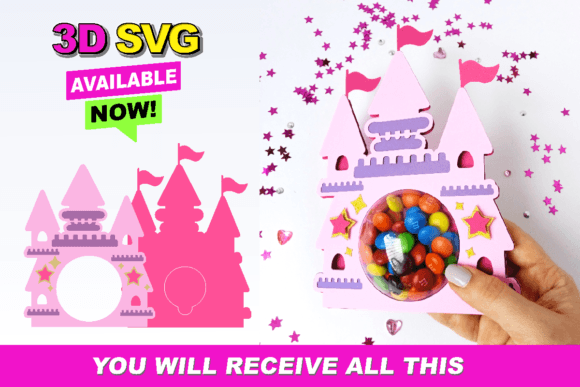
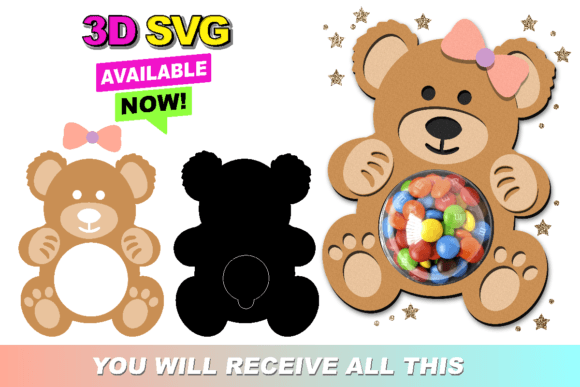
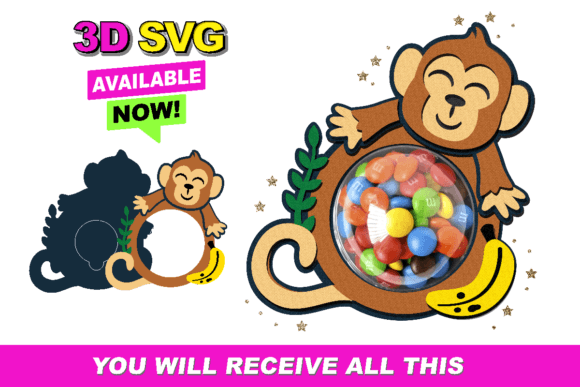
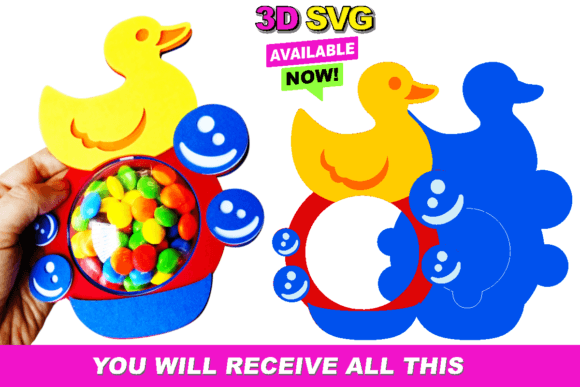
For creators and small business owners utilizing digital cutting machines, the accessibility of this project is a significant operational advantage. The availability of the design as a 3D SVG file included in a zipped folder streamlines the workflow from concept to physical product. This format is specifically optimized for industry-standard software like Silhouette Studio and Cricut Design Space, allowing for precise layering and assembly essential for 3D constructs. However, the strategic implication here goes beyond mere convenience; it speaks to scalability and customization.
When planning a campaign or preparing for a seasonal rush, the ability to rapidly iterate designs is crucial. Because the file is vector-based, entrepreneurs can easily modify colors, add monograms, or integrate specific brand logos before cutting. This level of customization turns a mass-producible item into a personalized asset. For educators, this means creating themed rewards that align with classroom objectives. For retailers, it allows for the creation of limited-edition packaging that drives urgency and exclusivity. The key is to view the SVG file not just as a pattern to be cut, but as a flexible template for brand expression.
It is vital, however, to assess technical compatibility before committing to a production run. While the file is optimized for Silhouette and Cricut ecosystems, users operating alternative machinery must verify their software's ability to interpret complex 3D SVG layers. Misalignment here can lead to material waste and timeline delays, undermining the strategic goal of efficiency. A prudent operator will always conduct a test cut on scrap material to validate dimensions and adhesion points, ensuring that the final assembly meets quality standards expected by their target audience.
Contextual Applications and Decision-Making Frameworks
Deploying the Rubber Duckie Candy Holder effectively requires matching the item to the right context. Random distribution dilutes impact; targeted deployment amplifies it. Consider the following strategic scenarios where this item delivers maximum value:
- Customer Retention and Loyalty: Including a filled holder in a shipment for repeat customers adds an element of surprise and delight. It shifts the transaction from purely functional to emotional, fostering a deeper connection with the brand.
- Educational Incentives: Teachers and tutors can use these holders as tangible rewards for milestone achievements. The effort required to assemble the 3D structure can even be part of the lesson, teaching students about geometry, following instructions, or fine motor skills.
- Event Giveaways: At trade shows or community gatherings, these holders stand out among standard flyers and pens. They invite interaction and conversation, serving as an icebreaker that facilitates networking and lead generation.
- Seasonal Campaigns: Adapting the color scheme to match holidays (e.g., pastels for Easter, bright yellows for summer) keeps the brand relevant and top-of-mind during peak consumer spending periods.
When deciding whether to proceed with this initiative, leaders must weigh the cost of materials and labor against the perceived value to the recipient. The "cost" is not just the vinyl or cardstock; it includes the time spent cutting, weeding, and assembling. If the target demographic values handmade, artisanal touches, the investment yields high returns in brand perception. Conversely, if the audience prioritizes speed and low-cost utility, a simpler alternative might be more appropriate. The decision matrix should always center on the recipient's perspective: Does this add value to their day? Does it reflect the quality of the brand?
Mitigating Risks and Ensuring Quality Control
Even the most well-intentioned strategies can falter without rigorous attention to detail. One of the primary risks in using DIY-produced items like the Rubber Duckie Candy Holder is inconsistency. In a professional setting, uneven cuts or weak adhesions can signal a lack of care, potentially damaging brand reputation rather than enhancing it. To mitigate this, operators should establish a standardized assembly protocol. This includes defining the exact type of adhesive to use, the pressure settings for the cutting machine, and the curing time before filling the holder with candy.
Furthermore, there is a risk of misalignment between the item and the brand voice. A rubber duck is inherently playful. For a law firm or a financial consultancy, deploying this item requires careful framing to ensure it does not appear frivolous. In such cases, the strategy might involve using premium materials, muted color palettes, or pairing the holder with high-value content rather than simple sweets. The goal is to maintain professionalism while leveraging the object's approachability. Without this contextual awareness, the item may be perceived as clutter rather than a thoughtful gesture.
Another consideration is the longevity of the materials. If the holder is intended to be a long-term keepsake, the choice of substrate matters. Standard paper may degrade quickly if exposed to moisture or oils from the candy. Vinyl offers durability but may lack the tactile warmth of cardstock. Strategic planning involves selecting materials that align with the intended lifespan of the object. If the goal is immediate consumption and disposal, lighter materials suffice. If the goal is sustained brand presence, investing in higher-grade, coated stocks or durable plastics is necessary.
Long-Term Value and Creative Iteration
The true power of the Rubber Duckie Candy Holder lies in its potential for iteration and long-term integration into a broader content or product strategy. For bloggers and publishers, documenting the creation process can generate engaging content that demonstrates expertise and creativity. Sharing behind-the-scenes looks at the design phase in Silhouette Studio or the assembly process can humanize a brand and build community engagement. This transforms a simple craft project into a content pillar that drives traffic and authority.
Entrepreneurs can also explore bundling strategies. Selling the SVG file alongside a kit of pre-cut materials creates a new revenue stream, catering to the growing market of hobbyists who want the design but lack the time to source materials. Alternatively, offering assembled holders as a premium add-on to existing products increases average order value. The flexibility of the digital file allows for endless variations, enabling businesses to test different designs and measure customer response without significant upfront inventory costs.
Ultimately, the successful use of this tool depends on moving beyond the novelty factor. It requires a mindset shift from "making a cute thing" to "solving a communication problem." Whether the goal is to soften a difficult message, celebrate a milestone, or simply say thank you, the Rubber Duckie Candy Holder provides a versatile vehicle for that intent. By grounding the production in technical precision and the deployment in strategic foresight, professionals can turn a simple 3D SVG file into a powerful component of their operational toolkit. The result is not just a container for candy, but a curated experience that resonates with audiences and drives meaningful results.