Integrating the Cat and Clouds Photo Frame Cricut Design into Professional Crafting Workflows
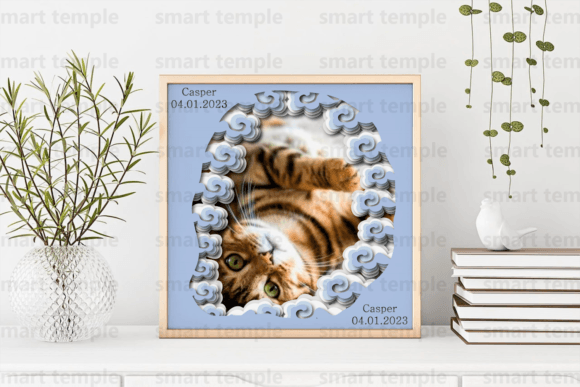
In the evolving landscape of digital fabrication and personalized decor, the transition from a conceptual idea to a tangible product requires precise planning and the right assets. The Cat and Clouds Photo Frame Cricut design represents more than just a decorative item; it is a versatile vector model optimized for shadow box construction that fits seamlessly into diverse production pipelines. Whether you are a small business owner scaling a home-based operation, an educator teaching design principles, or a hobbyist looking to refine your technique, understanding how to integrate this specific layered design into your workflow is essential for efficiency and quality output.
This digital asset serves as a foundational component in a broader creative process. It is not merely a file to be downloaded but a tool that interacts with various stages of project management, from material sourcing to final assembly. By treating the Cat and Clouds Photo Frame Cricut file as a core element of your operational strategy, you can streamline production, reduce waste, and ensure consistent results across different projects.
Pre-Production Planning and Asset Compatibility
Before any cutting begins, successful implementation starts with preparation. The Cat and Clouds Photo Frame Cricut package typically includes a ZIP archive containing SVG, AI, PNG, and DXF files. This variety ensures compatibility with a wide range of hardware, including Cricut, Silhouette Cameo, laser engravers, and CNC routers. Understanding which file format aligns with your specific machinery is the first critical step in your workflow.
For users operating vinyl cutters like the Cricut Maker or Silhouette machines, the SVG (Scalable Vector Graphics) file is often the preferred choice. It preserves layer information, allowing the software to recognize distinct elements such as the frame border, the cloud accents, and the cat silhouette separately. This separation is vital for multi-material projects where different colors or textures are required. Conversely, if you are utilizing a laser cutter or a CNC machine for wood or acrylic work, the DXF or AI files provide the precise pathing needed for clean cuts without unnecessary node complexity.
Effective planning also involves assessing material requirements. This shadow box design is engineered to work with a broad spectrum of substrates, including cardboard, paper, plastic, metal, plywood, wood, and MDF. Your choice of material dictates the subsequent settings on your machine. For instance, working with plywood or MDF requires calculating kerf (the width of material removed by the cut) and ensuring the layered depth creates the desired 3D effect without compromising structural integrity. In contrast, using paper or cardstock demands careful attention to blade pressure to avoid tearing while ensuring pieces separate cleanly for assembly.
Execution: From Digital File to Physical Layers
Once the appropriate file format is selected and materials are prepped, the execution phase begins. This is where the Cat and Clouds Photo Frame Cricut design demonstrates its utility in a practical setting. The layered nature of the shadow box means that the cutting process is rarely a single-pass operation. Instead, it involves a sequence of cuts that must be organized logically to facilitate smooth assembly later.
When loading the design into your cutting software, it is advisable to group layers by material type. If you are creating a monochromatic look using white cardstock, you may stack multiple copies of the design to cut all layers simultaneously, provided your machine's registration marks allow for it. However, for more complex builds involving mixed media—such as a wooden base with paper details—you will need to manage separate cutting jobs. This segmentation helps maintain organization and prevents confusion during the sorting phase.
Quality control during the cutting process is paramount. Because this is a shadow box, the alignment of layers determines the final aesthetic. Any deviation in cut size due to dull blades or incorrect machine calibration can result in gaps or misalignment that ruins the depth effect. Regularly inspecting your tools and running test cuts on scrap material of the same thickness as your final stock is a best practice that saves time and resources. The precision offered by vector models like this one allows for tight tolerances, but only if the operator maintains rigorous standards throughout the cutting phase.
Assembly Techniques and Workflow Optimization
The post-cutting phase is where the individual components transform into the finished Cat and Clouds Photo Frame Cricut product. Assembly of a shadow box requires a methodical approach to ensure that the layers adhere correctly and the photo insert sits securely within the designated space. This stage often benefits from a dedicated workspace organized by layer order.
To optimize this part of the process, consider implementing a "kitting" system if you are producing these frames in batches. Sort all cut pieces for a single unit into labeled envelopes or trays before beginning adhesion. This prevents the common error of mixing up layers, especially when working with similar-looking materials like different shades of wood veneer or colored cardstock. Using spacers or foam tape between layers can enhance the 3D effect, giving the clouds and the cat figure pronounced depth against the background.
For entrepreneurs and small business owners, the assembly line approach can significantly increase throughput. By breaking down the assembly into discrete tasks—one person applying adhesive, another aligning layers, and a third performing final quality checks—you can scale production without sacrificing the handmade quality that customers value. The consistency of the digital file ensures that every unit produced matches the original design specifications, reinforcing brand reliability.
Integration into Broader Business and Creative Goals
Beyond the immediate task of making a single frame, the Cat and Clouds Photo Frame Cricut design can be integrated into larger business strategies and creative portfolios. For marketers and content creators, this product offers a visually appealing subject for tutorials, social media reels, and blog posts that demonstrate expertise in digital crafting. Documenting the process from file download to final assembly provides valuable content that engages audiences and establishes authority in the niche.
Educators can utilize this project to teach students about vector graphics, spatial reasoning, and material science. The requirement to choose between paper, plastic, or wood introduces decision-making based on material properties, while the assembly process reinforces fine motor skills and patience. Furthermore, the availability of multiple file formats (SVG, AI, PNG, DXF) makes it an excellent resource for teaching software interoperability and the importance of file management in digital design workflows.
From a product development standpoint, this shadow box model serves as a modular component. It can be customized with different color schemes to match seasonal trends, incorporated into larger wall art installations, or adapted for specific themes like nurseries or pet memorials. The flexibility of the design allows for rapid prototyping of new variations without needing to start from scratch, accelerating the time-to-market for new product lines.
Long-Term Usability and Maintenance
Sustaining the value of the Cat and Clouds Photo Frame Cricut asset over time involves proper digital asset management. Once the ZIP archive is downloaded, it should be stored in a structured directory system alongside other project files. Backing up these files to cloud storage or external drives ensures that they remain accessible even if local hardware fails. This organizational habit is crucial for freelancers and agencies who may need to revisit a design months or years later for a repeat order or a variation request.
Additionally, staying informed about updates or support from the file creator is beneficial. As noted in the product details, creators often offer assistance if alternative file types are needed. Building a relationship with digital asset providers can lead to better support and access to complementary designs that fit within the same aesthetic ecosystem. This network of resources enhances your ability to deliver comprehensive solutions to clients or personal projects.
In conclusion, the Cat and Clouds Photo Frame Cricut is a robust tool that bridges the gap between digital design and physical creation. Its compatibility with various machines and materials, combined with its layered architecture, makes it suitable for a wide array of applications ranging from casual crafting to commercial manufacturing. By approaching its use with a focus on preparation, precise execution, and systematic assembly, users can maximize the potential of this vector model. Whether you are optimizing a home studio workflow or expanding a product catalog, integrating this design effectively leads to higher quality outcomes and more efficient processes.